Starý muž, který se neumí smát, je trouba.
Richard Rohr
Kdo jsme?
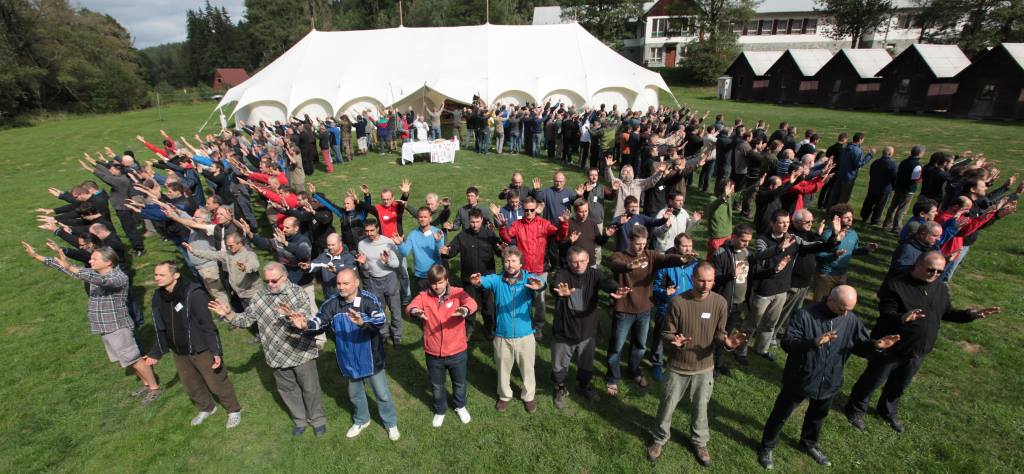
Tento web reprezentuje hnutí Chlapi, neformální společenství mužů, kteří hledají takové způsoby duchovního prožívání, se kterými se dokážou jako muži ztotožnit a celou bytostí je žít.
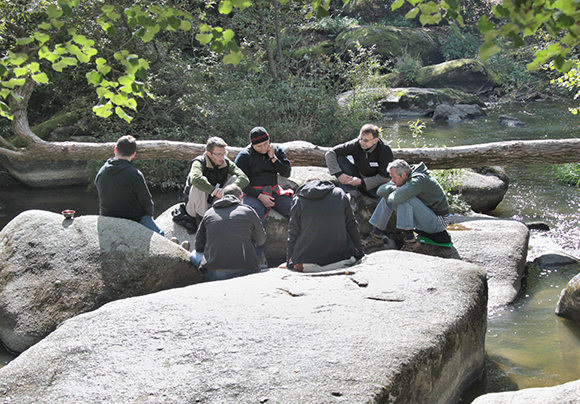
Můžeš se tady setkat s muži, kteří usilují o to být lepšími a více autentickými.
Vytváříme jak reálný tak virtuální prostor pro setkávání.
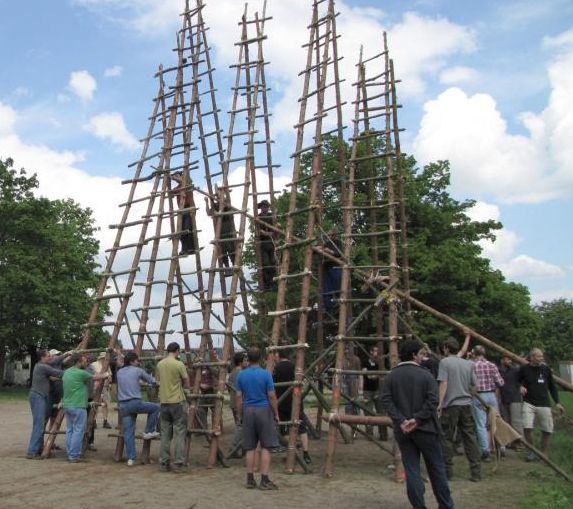
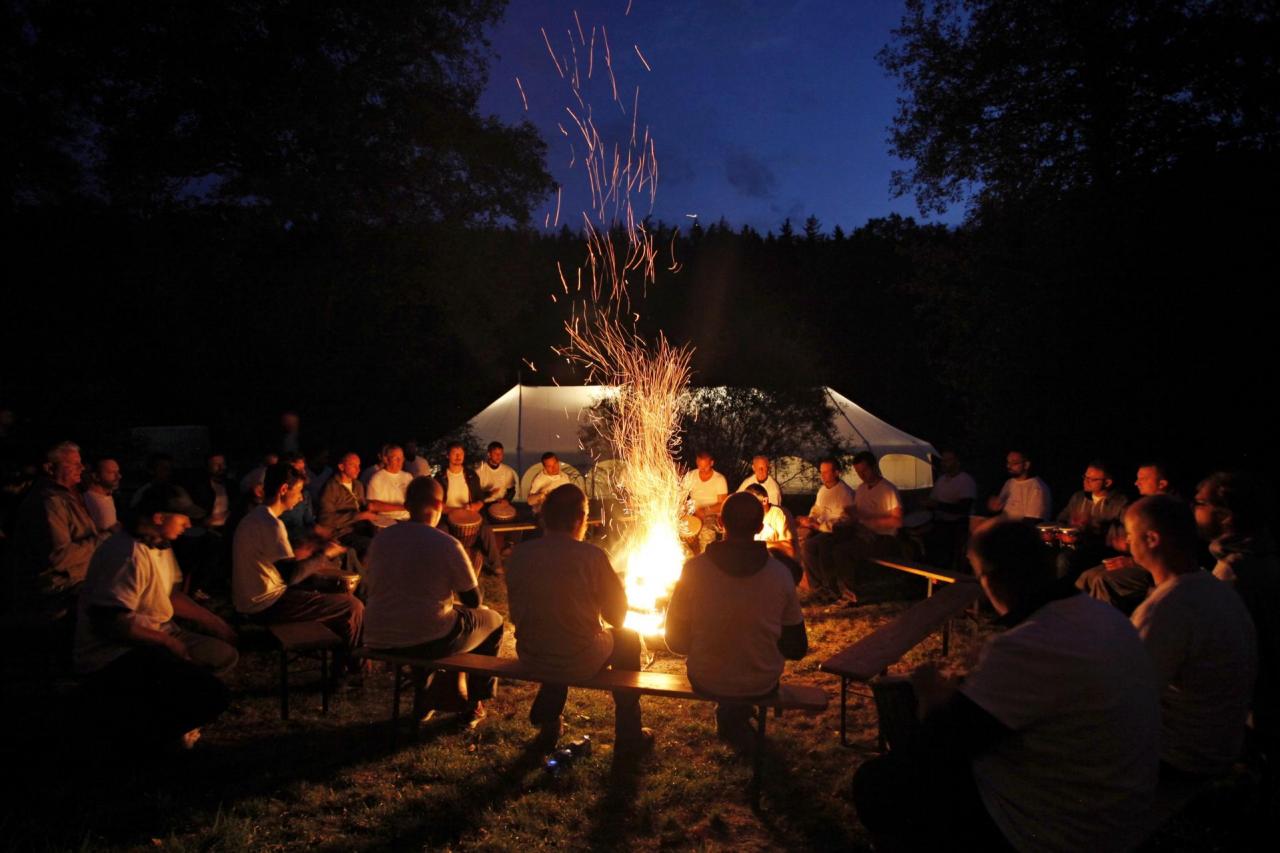
Začalo to někdy před rokem 2000 hledáním mužské energie, spirituality i chlapské party a setkáváním v malých skupinách. Pokračovalo to inspirací dílem Richarda Rohra a jeho Rituálem pro přechod do zralé dospělosti a pokračuje to dodnes stovkami setkání v malých skupinách, víkendovými akcemi pro muže i pro otce a děti, rituály i celostátními setkáními pro stovky účastníků a mezinárodní spoluprací s hnutím mužů po celém světě.
Pro řadu z nás je podstatné přátelství s Bohem, pro všechny jsou oporou kamarádi, které tu nalezli.
Vítáme tě mezi námi a těšíme se na společné putování.
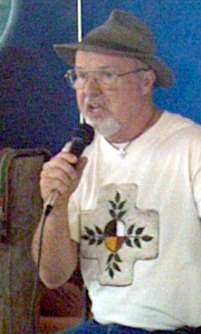
Pavel Hrdina a Martin Šmídek
 Myšlenka Richarda Rohra na úterý dvacátého pátého týdne v mezidobí - Kamenné domy Někteří lidé žijí bez ničeho a mají všecko. Jako příklad se mi vždycky vybaví Afrika, kde jsem kázal. Tak třeba onen starý černý Afričan, se kterým jsem se po dlouhém sezení modlil. Modlil se s takovou něhou a říkal: „” Pane, pomoz nám, abychom se nikdy nenastěhovali do kamenných domů.“ A každý ze zúčastněných přizvukoval: „Ano, Pane, ano, Pane.“ Zeptal jsem se …
Překlad meditace CAC ze čtvrtka 5. 3. 2020
na téma:
Druhá část enneagramu: Centrum srdce
| Třetí typ: Potřeba uspět Svatá myšlenka: Svatá harmonie, Svatý zákon, Svatá naděje Cestnost: Pravdivost, Autentičnost Vášeň: Podvod [1] Trojka je ústředním typem srdeční skupiny, což však neznamená, že Trojka svůj citový svět řídí velmi dobře. Naopak, Trojky mají ze všech enneagramových typů největší potíže s vnímáním vlastních pocitů; zároveň jsou opravdu dobré v odhalování pocitů druhých lidí. Russ Hudson a Don Richard Riso píší: V dětství si Trojky nevážili sami sebe - jako málokdo z nás. Místo toho byly ceněny za to, že byly a dělaly určité věci mimořádně dobře. Naučily se získávat potvrzení své hodnoty prostřednictvím úspěchů a výkonů. Nikdy je to však doopravdy neuspokojilo, protože to nebylo potvrzení jejich hodnoty, ale něčeho, co udělali, nebo něčeho, čím se snažili stát. [2] Trojky čerpají životní energii ze svých úspěchů. Trojky jsou lidé, kteří se rádi předvádějí, dosahují úspěchů, dělají kariéru a hledají status. Ve svých rolích se cítí lépe než ve svém Pravém Já, které sotva znají. Dokážou vklouznout do téměř jakékoli masky a dokonale zahrát svou roli, protože role, které hrají, je chrání a motivují. Pro Trojky je život konkurenčním bojem a chtějí být vítězi. Většina Trojky působí optimisticky, mladistvě, inteligentně, dynamicky a produktivně. Můj dobrý přítel, který je Trojka, má přezdívku Pan Dokonalý. Zdá se, že všechno, na co sáhne, se mu daří. Tento přítel říká: "Když vejdu do místnosti, kde je spousta lidí, ve zlomcích vteřiny vím, jak se mám chovat, jak mám vystupovat, jak mám mluvit, aby mě všichni přítomní přijali. Když z místnosti odejdu a půjdu o dveře dál, mohu hrát stejnou hru a být úplně jiným člověkem." Tlak na úspěch, kterému jsou Trojky vystaveny, vede k jejich základnímu hříchu, kterým je nepravda nebo podvod. V zájmu vítězství mají Trojky tendenci zacházet s pravdou velkoryse. Málokdy lžou na plnou hubu; spíše používají jemné nuance, zamlžují problematické stránky projektu nebo zveličují jeho přednosti. Nevyzrálé nebo nezdravé Trojky klamou především samy sebe. Jak vysvětlují Riso a Hudson: V bezhlavém spěchu za dosažením čehokoli, o čem si myslí, že je učiní hodnotnějšími, se Trojky mohou natolik odcizit samy sobě, že už nevědí, co skutečně chtějí a jaké jsou jejich skutečné pocity nebo zájmy. [3] V nejzdravějším období se Trojky zbavují přesvědčení, že jejich hodnota závisí na pozitivním uznání druhých, a tím se osvobozují, aby objevily svou skutečnou identitu a touhy svého srdce. . . . Stávají se sebepřijímajícími, upřímnými, [autentickými] a laskavými . . . Když jsou Trojky schopny vnímat svou Podstatnou hodnotu přímo, osvobodí se od neúnavné snahy ega o sebeúctu prostřednictvím úspěchu. To jim poskytuje čas a prostor k životu s velikostí ducha, k životu plnému lásky, bohatství a úžasu. [4] přeloženo DeepL | Type Three: The Need to Succeed
Holy Idea: Holy Harmony, Holy Law, Holy Hope Virtue: Truthfulness, Authenticity Passion: Deceit [1] The Three is the central type of the heart group, but this does not mean that Threes manage their emotional world very well. On the contrary, Threes have the greatest difficulties of all the Enneagram types in perceiving their own feelings; at the same time, they are really good at detecting the feelings of other people. Russ Hudson and Don Richard Riso write: As children, Threes were not valued for themselves—as very few of us were. Instead, they were valued for being and doing certain things extremely well. They learned to get validation of their worth through achievement and performance. But it never really satisfied them because it was a validation not of them but of something they had done or something they tried to become. [2] Threes draw their life energy from their successes. Threes are show-people, achievers, careerists, and status-seekers. They are more comfortable in their roles than they are with their True Self, which they scarcely know. They can slip into almost any mask and act the part to perfection because the roles they play protect and motivate them. For Threes, life is a competitive struggle and they want to be winners. Most Threes seem optimistic, youthful, intelligent, dynamic, and productive. A good friend of mine who is a Three has the nickname Mr. Perfect. Everything he touches seems to succeed. This friend says, “When I walk into a room where there are lots of people, I know in fractions of a second how I have to behave, how I have to appear, how I have to talk to be accepted by everybody present. If I leave the room and go one door down, then I can play the same game and be a completely different person.” The pressure to succeed that Threes are under leads to their root sin, which is untruth or deceit. In order to win, Threes tend to deal generously with the truth. They seldom tell bald-faced lies; rather, they use subtle nuancing, airbrushing out the problematic side of a project or exaggerating its advantages. Immature or unhealthy Threes first and foremost deceive themselves. As Riso and Hudson explain: In the headlong rush to achieve whatever they think will make them more valuable, Threes can become so alienated from themselves that they no longer know what they truly want or what their real feelings or interests are. [3] At their healthiest, Threes let go of the belief that their value is dependent on the positive regard of others, thus freeing them to discover their true identity and their own heart’s desire. . . . They become self-accepting, genuine, [authentic], and benevolent. . . . When Threes are able to perceive their Essential value directly, they become freed from the ego’s relentless pursuit of self-esteem through achievement. This affords them the time and space to live with a greatness of spirit, a life of love, richness, and wonder. [4] |
[1] Christopher L. Heuertz, The Sacred Enneagram: Finding Your Unique Path to Spiritual Growth (Zondervan: 2017), 120. Chris defines these terms as follows (see pages 246-248):
Holy Ideas: The unique state of mental well-being, specific to each of the nine types, in which the mind is centered and connected with the True Self.
Virtues: Like the nine fruits of the Spirit [see Galatians 5:22-23] the Virtues are . . . gifts of a centered heart that is present, nonreactive, and at rest in the True Self.
Passions: The inverse of the Virtues are the Passions . . . [which] emerge as the heart indulges the Basic Fear that it will never return to its essence and therefore seeks out coping mechanisms that ultimately compound each type’s state of emotional imbalance.
Chris’ new podcast, Enneagram Mapmakers: Exploring the Interior Landscapes of the Ego (Center for Action and Contemplation: 2020), will begin March 24, 2020 on most podcast platforms!
[2] Don Richard Riso and Russ Hudson, The Wisdom of the Enneagram: The Complete Guide to Psychological and Spiritual Growth for the Nine Personality Types (Bantam Books: 1999), 155.
[3] Ibid., 154.
[4] Ibid., 161, 177.
Adapted from Richard Rohr and Andreas Ebert, The Enneagram: A Christian Perspective (The Crossroad Publishing Company: 2001, 2013), 81-82, 83, 85, 86.
Zde se nacházejí překlady Daily Meditations, jejichž anglické originály se nacházejí na webu CAC. V den jejich vydání je zde nalezneš přeložené strojově pomocí DeepL, zpravidla do druhého dne pak projdou jazykovou úpravou někým z týmu překladatelů :-) Pokud vládneš dobrou angličtinou, přihlas se asi raději přímo u zdroje těchto úvah, tedy na webu CAC. Budeš je pak do své mailové schránky dostávat již k ranní kávě. -mš-