Starý muž, který se neumí smát, je trouba.
Richard Rohr
Kdo jsme?
Tento web reprezentuje hnutí Chlapi, neformální společenství mužů, kteří hledají takové způsoby duchovního prožívání, se kterými se dokážou jako muži ztotožnit a celou bytostí je žít.
Můžeš se tady setkat s muži, kteří usilují o to být lepšími a více autentickými.
Vytváříme jak reálný tak virtuální prostor pro setkávání.
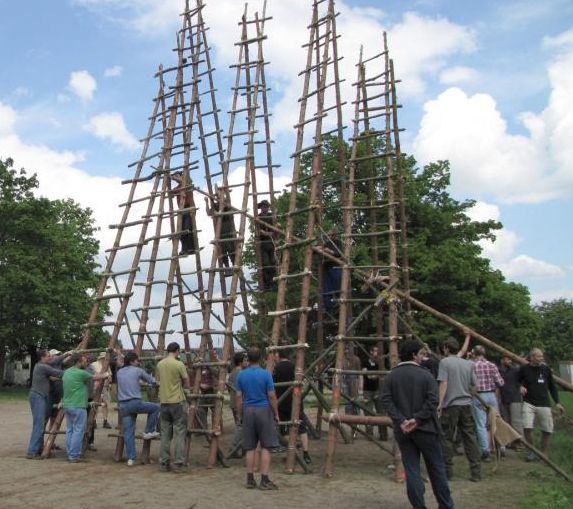
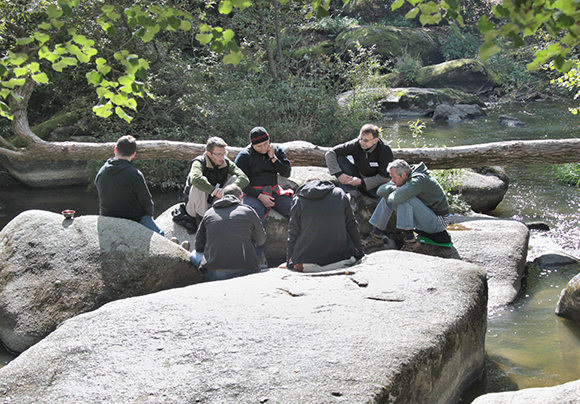
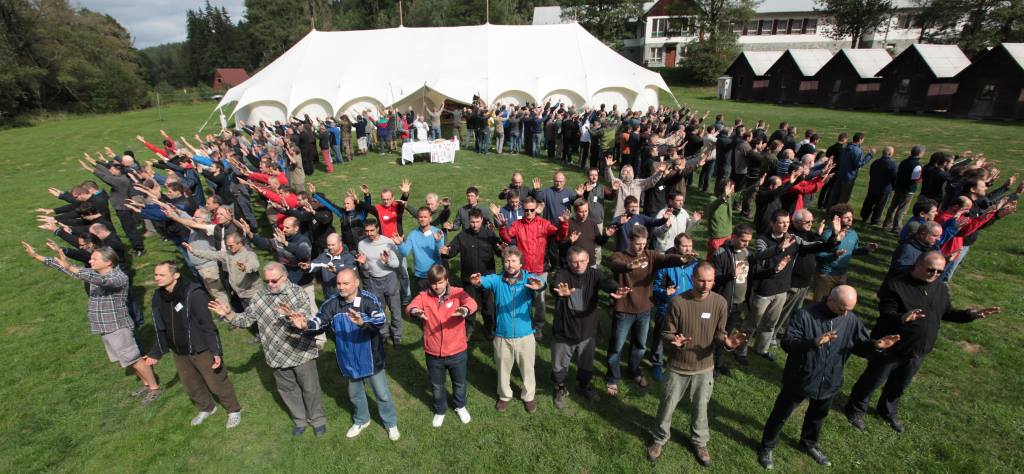
Začalo to někdy před rokem 2000 hledáním mužské energie, spirituality i chlapské party a setkáváním v malých skupinách. Pokračovalo to inspirací dílem Richarda Rohra a jeho Rituálem pro přechod do zralé dospělosti a pokračuje to dodnes stovkami setkání v malých skupinách, víkendovými akcemi pro muže i pro otce a děti, rituály i celostátními setkáními pro stovky účastníků a mezinárodní spoluprací s hnutím mužů po celém světě.
Pro řadu z nás je podstatné přátelství s Bohem, pro všechny jsou oporou kamarádi, které tu nalezli.
Vítáme tě mezi námi a těšíme se na společné putování.
Pavel Hrdina a Martin Šmídek
 Myšlenka Richarda Rohra na úterý dvacátého pátého týdne v mezidobí - Kamenné domy Někteří lidé žijí bez ničeho a mají všecko. Jako příklad se mi vždycky vybaví Afrika, kde jsem kázal. Tak třeba onen starý černý Afričan, se kterým jsem se po dlouhém sezení modlil. Modlil se s takovou něhou a říkal: „” Pane, pomoz nám, abychom se nikdy nenastěhovali do kamenných domů.“ A každý ze zúčastněných přizvukoval: „Ano, Pane, ano, Pane.“ Zeptal jsem se …
Překlad meditace CAC ze středy 4. 3. 2020
na téma:
Druhá část enneagramu: Centrum srdce
| Druhý typ: Potřeba být potřebný a potvrzený zvenčí Svatá myšlenka: Svatá vůle, svatá svoboda Ctnost: Pokora Vášeň: Pýcha [1] Srdcové typy - Dvojka, Trojka a Čtyřka - jsou lidé "zaměřeni na druhé", jejichž citová pohoda závisí na tom, jak na ně reaguje okolí. Tajným cílem jejich neustálých aktivit je být uznán a potvrzen zvenčí. Dvojky využívají svých četných darů k uspokojování potřeb druhých, starají se o jejich zdraví, výživu, vzdělání a blaho. Předávají lidem míru přijetí a uznání, která jim může pomoci uvěřit ve vlastní hodnotu. Dvojky se umí velkoryse dělit a pro druhé dají i svou "poslední košili". Stojí při přátelích a rodině, když musí snášet utrpení, bolest nebo konflikty. Někteří Dvojky vzpomínají, že v raném věku měli pocit, že musí podporovat emocionální potřeby ostatních členů rodiny. Měli pocit, že se musí stát užitečnými, aby si jich někdo všiml a měl je rád. Mohlo dojít k výměně rolí mezi rodiči a dítětem. Dítě muselo dospělým "dělat matku" a popírat některé své vlastní legitimní potřeby. Dítě to pochopilo: "Jsem milován, když jsem něžný, chápavý, ochotný být nápomocný a odložit své vlastní potřeby."<...<...<...<...<...<...>" Tímto způsobem se však dítě cítí silné, zatímco dospělí vypadají slabí a potřební. To poskytuje živnou půdu pro druh falešné pýchy, která je kořenovým hříchem Dvojky. Tajně se dívají svrchu na ty, kterým "slouží"." Stejně jako my všichni, i Dvojky chtějí být oblíbené, ale mají také přehnanou touhu po vnějším potvrzení. Dvojky s radostí hýčkají a pečují o druhé lidi, i když je o to nikdo nežádá, ale pokud se jejich "péče" stane zatěžující nebo omezující a druzí se od nich distancují, místo aby jim tuto "lásku" opětovali, cítí se Dvojka zrazená a zneužitá. Stálým a velkým pokušením Dvojky je pomáhat druhým, a tím se vyhýbají sami sobě a svým vlastním potřebám. Když jsou nezralé Dvojky zraněny, mohou najednou přestat být milé a poddajné a vybuchnout. V takových chvílích jsou schopni strašlivě ublížit právě tomu, koho údajně nade vše milují. To je stinná stránka lásky Dvojky, kterou na první pohled nemusíte poznat. Dvojka je uzdravena a vykoupena tím více, čím více prožívá Boha jako skutečného milujícího a uvědomuje si, že pravá, nesobecká láska přichází pouze skrze sdílení Boží lásky. Toto poznání vede skrze okamžik hlubokého studu k opravdové pokoře. Don Richard Riso a Russ Hudson popisují, jaké to je, když se Dvojka vrací ke své Podstatě: Na velmi hluboké úrovni si Dvojky vzpomenou na podstatnou vlastnost bezpodmínečné lásky a všudypřítomnost lásky. Když si vzpomenou na svou Esenciální povahu a na Božský stav, který zrcadlí, zdravé Dvojky si uvědomují přítomnost lásky všude kolem sebe, takže doslova nepotřebují od nikoho nic dostat - a nic nemohou dát. . . . Tato láska je vyvážená, čistá a vyživující - umožňuje duši relaxovat na hluboké úrovni. [2] přeloženo DeepL | Type Two: The Need to Be Needed and Affirmed from the Outside
Holy Idea: Holy Will, Holy Freedom Virtue: Humility Passion: Pride [1] The heart types—Two, Three, and Four—are “other-directed” people whose emotional well-being depends on how their environment reacts to them. The secret goal of their continuous activities is to be acknowledged and affirmed from the outside. Twos employ their many gifts to meet the needs of others, caring for others’ health, nourishment, education, and welfare. They impart a measure of acceptance and appreciation that can help people believe in their own value. Twos can share generously and will even give their “last shirt” for others. They stand by friends and family when they have to endure suffering, pain, or conflict. Some Twos recall that early on they had the feeling of having to support the emotional needs of other family members. They felt they had to make themselves useful in order to be noticed and loved. There may have been a role reversal between parent(s) and child. The child had to “mother” the adults and deny some of their own legitimate needs. The child got the message: “I am loved when I am tender, understanding, ready to be helpful, and defer my own needs.” But in this way the child feels powerful, while grown-ups look weak and needy. This provides fertile soil for the sort of false pride that is the root sin of Twos. They secretly look down on those whom they “serve.” Like all of us, Twos want to be liked, but they also have an exaggerated desire for external validation. Twos happily spoil and look after other people, even when unasked, but if their “care” becomes burdensome or confining and others distance themselves instead of returning this “love,” the Two feels betrayed and exploited. The constant and great temptation of Twos is to help others, and in this way they evade themselves and their own needs. When immature Twos are hurt, they can suddenly stop being sweet and pliant and lash out. At such moments they are capable of doing frightful injury to the very person they supposedly love above all. This is the shadow side of the Two’s love that may not be recognized at first glance. Twos are healed and redeemed the more they experience God as the Real Lover and realize that true, selfless love only comes by sharing in God’s love. This insight leads through a moment of deep shame to genuine humility. Don Richard Riso and Russ Hudson describe what it’s like for Twos to return to their Essence: On a very deep level, Twos remember the Essential quality of unconditional love and the omnipresence of love. When they remember their Essential nature and the Divine state that it mirrors, healthy Twos are aware of the presence of love all around them, so there is quite literally nothing they need to get from anyone—and nothing they can give. . . . This love is balanced, pure, and nourishing—it allows the soul to relax on a profound level. [2] |
[1] Christopher L. Heuertz, The Sacred Enneagram: Finding Your Unique Path to Spiritual Growth (Zondervan: 2017), 113. Chris defines these terms as follows (see pages 246-248):
Holy Ideas: The unique state of mental well-being, specific to each of the nine types, in which the mind is centered and connected with the True Self.
Virtues: Like the nine fruits of the Spirit [see Galatians 5:22-23] the Virtues are . . . gifts of a centered heart that is present, nonreactive, and at rest in the True Self.
Passions: The inverse of the Virtues are the Passions . . . [which] emerge as the heart indulges the Basic Fear that it will never return to its essence and therefore seeks out coping mechanisms that ultimately compound each type’s state of emotional imbalance.
Chris’ new podcast, Enneagram Mapmakers: Exploring the Interior Landscapes of the Ego (Center for Action and Contemplation: 2020), will begin March 24, 2020 on most podcast platforms!
[2] Don Richard Riso and Russ Hudson, The Wisdom of the Enneagram: The Complete Guide to Psychological and Spiritual Growth for the Nine Personality Types (Bantam Books: 1999), 150.
Adapted from Richard Rohr and Andreas Ebert, The Enneagram: A Christian Perspective (The Crossroad Publishing Company: 2001, 2013), 63-65, 67, 72.
Zde se nacházejí překlady Daily Meditations, jejichž anglické originály se nacházejí na webu CAC. V den jejich vydání je zde nalezneš přeložené strojově pomocí DeepL, zpravidla do druhého dne pak projdou jazykovou úpravou někým z týmu překladatelů :-) Pokud vládneš dobrou angličtinou, přihlas se asi raději přímo u zdroje těchto úvah, tedy na webu CAC. Budeš je pak do své mailové schránky dostávat již k ranní kávě. -mš-