Starý muž, který se neumí smát, je trouba.
Richard Rohr
Kdo jsme?
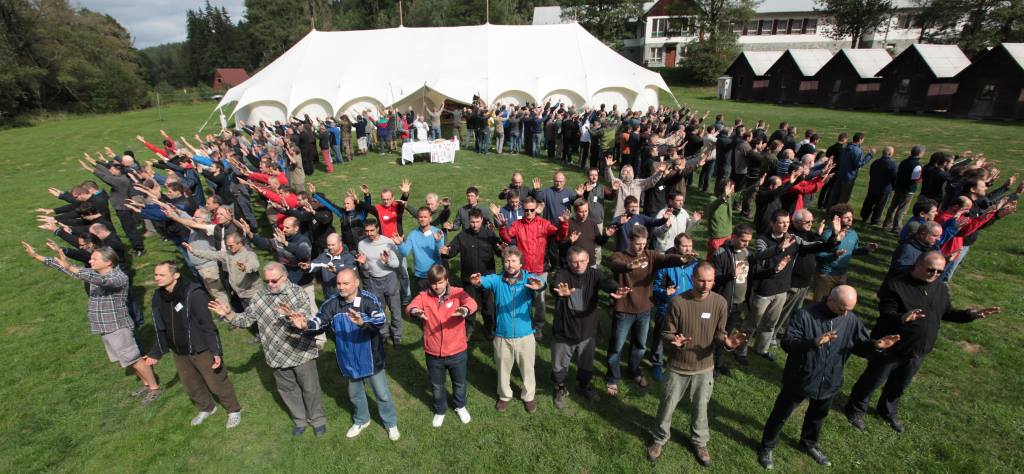
Tento web reprezentuje hnutí Chlapi, neformální společenství mužů, kteří hledají takové způsoby duchovního prožívání, se kterými se dokážou jako muži ztotožnit a celou bytostí je žít.
Můžeš se tady setkat s muži, kteří usilují o to být lepšími a více autentickými.
Vytváříme jak reálný tak virtuální prostor pro setkávání.
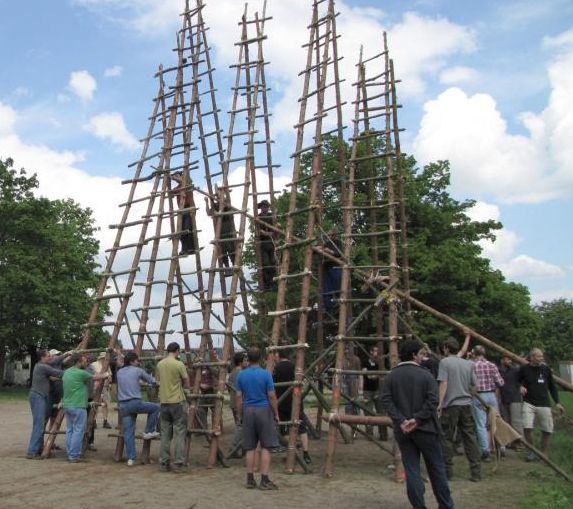
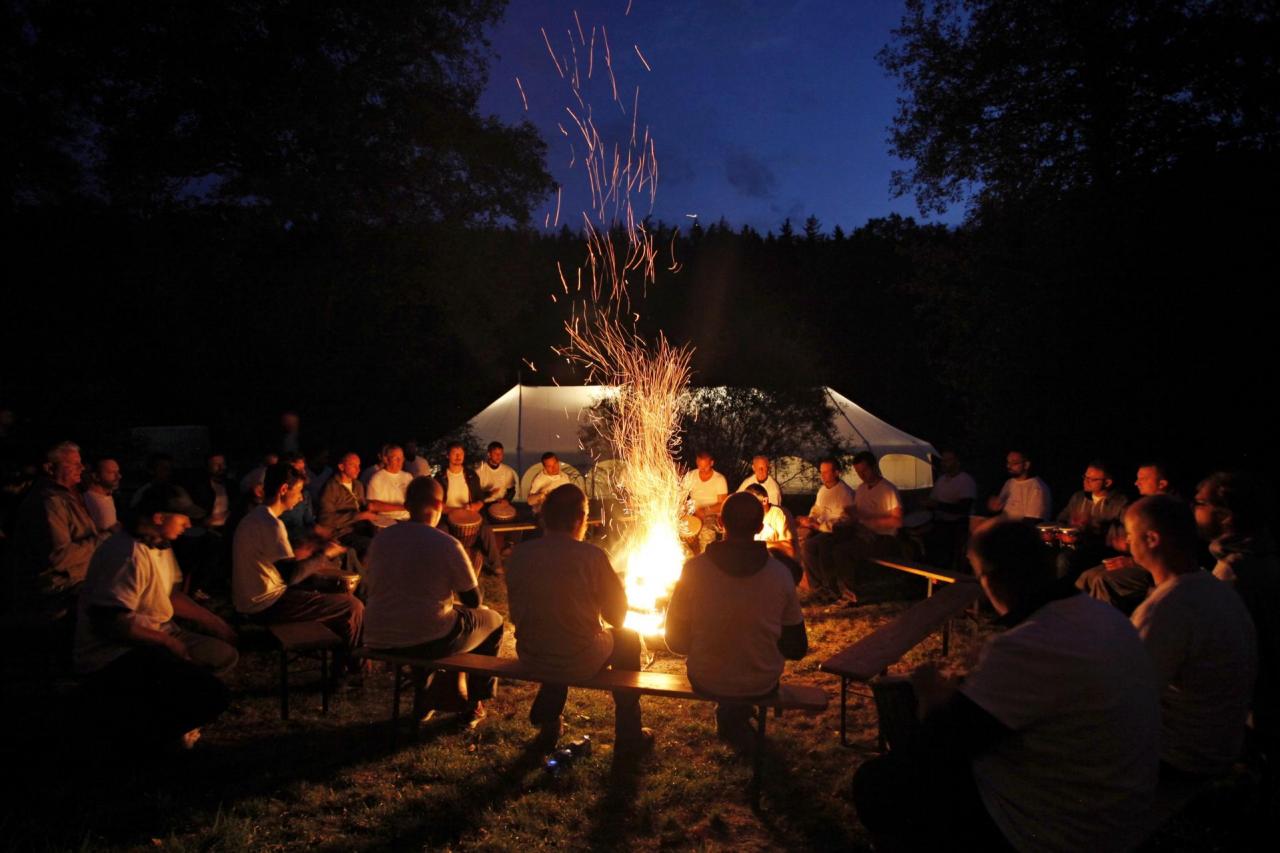
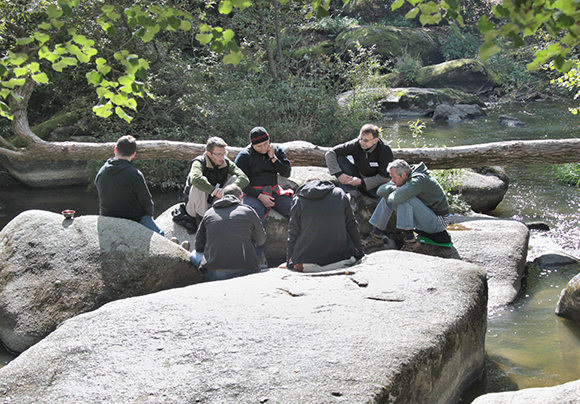
Začalo to někdy před rokem 2000 hledáním mužské energie, spirituality i chlapské party a setkáváním v malých skupinách. Pokračovalo to inspirací dílem Richarda Rohra a jeho Rituálem pro přechod do zralé dospělosti a pokračuje to dodnes stovkami setkání v malých skupinách, víkendovými akcemi pro muže i pro otce a děti, rituály i celostátními setkáními pro stovky účastníků a mezinárodní spoluprací s hnutím mužů po celém světě.
Pro řadu z nás je podstatné přátelství s Bohem, pro všechny jsou oporou kamarádi, které tu nalezli.
Vítáme tě mezi námi a těšíme se na společné putování.
Pavel Hrdina a Martin Šmídek
 Myšlenka Richarda Rohra na úterý dvacátého pátého týdne v mezidobí - Kamenné domy Někteří lidé žijí bez ničeho a mají všecko. Jako příklad se mi vždycky vybaví Afrika, kde jsem kázal. Tak třeba onen starý černý Afričan, se kterým jsem se po dlouhém sezení modlil. Modlil se s takovou něhou a říkal: „” Pane, pomoz nám, abychom se nikdy nenastěhovali do kamenných domů.“ A každý ze zúčastněných přizvukoval: „Ano, Pane, ano, Pane.“ Zeptal jsem se …
Překlad meditace CAC ze čtvrtka 12. 3. 2020
na téma:
Třetí část enneagramu: Střed hlavy
| Šestý typ: Potřeba jistoty, sebedůvěry a síly Svatý nápad: Svatá síla, svatá víra Ctnost: Odvaha Vášeň: Strach [1] Lidé, kteří jsou převážně typu šest, mají obrovské nadání: jsou ochotní spolupracovat, jsou týmovými hráči, spolehliví a loajální. Ve vztazích se lze spolehnout na jejich věrnost. Jejich přátelství se vyznačují srdečností a hlubokými city. Pro lidi, které milují, dělají maximum - dávají jim tělo i duši. Jsou často velmi originální a vtipní se suchým smyslem pro humor. Někdy jejich okolí chvíli trvá, než se chytí vtipu! Vzhledem k jejich zkušenostem z dětství, které bylo často poznamenáno traumatem, mají Šestky hluboký smysl pro úzkost. Neustále cítí nebezpečí, což v nich vyvolává strach a nedůvěru. Snadno podléhají pochybnostem o sobě samých. Zatímco většina z nás zažívá následky stresující nebo traumatické události, Šestky pociťují tento druh úzkosti téměř denně. Ve stavu vysoké pohotovosti je neudržuje událost, která se již stala, ale ta, která se může stát kdykoli. Nedostatek skutečné sebedůvěry vede Šestky k tomu, že se rozhlížejí po autoritách a strukturách, které jim poskytují bezpečí a jistotu, po níž touží. V nejhorším případě se ze Šestek mohou stát autoritáři, lidé, kteří chtějí pravdu totalitním, samolibým způsobem a jsou loajální až do morku kostí, přičemž činí rozhodnutí, která nejsou v souladu s jejich nejhlubšími hodnotami nebo moudrostí. Často se nebezpečně oddávají silným mužům, hierarchickým postavám a naprosto určitým skupinám (fundamentalistům), které je zbavují úzkosti. Šestáci bývali rozdělováni na dva typy: fobické a kontrafobické - na ty, kteří se podřizují svému strachu, a na ty, kteří se proti němu bouří a podstupují velká rizika. Zdá se však, že většina Šestáků je kombinací obou, buď "hrají na jistotu", nebo se svému strachu postaví čelem, v závislosti na situaci. To dává dokonalý smysl podle tohoto popisu Šestáků od Dona Richarda Risa a Russe Hudsona: Ať už o Šestkách říkáme cokoli, často platí i opak. Jsou to lidé silní i slabí, bojácní i odvážní, důvěřiví i nedůvěřiví, obránci i provokatéři,... agresivní i pasivní, tyrani i slaboši,... myslitelé i vykonavatelé, lidé skupinoví i sólisté, věřící i pochybovači, spolupracující i obstrukční,.... -...a tak dále a tak dále. Právě tento rozporuplný obraz je charakteristickým "otiskem prstu" šestek, skutečnost, že jsou snůškou protikladů. [2] Riso a Hudson píší o vzniku esence v Šestkách toto: Když se jejich mysl ztiší, Šestky zakoušejí vnitřní prostornost, která je Základem Bytí. Uvědomují si, že Podstata je skutečná a není pouhou myšlenkou; ve skutečnosti je tím nejskutečnějším v existenci, samotným základem existence. Lidé si tento vnitřní klid spojují s přítomností Boha, který se projevuje v každém okamžiku a který je v každém okamžiku k dispozici. Když Šestky zakoušejí tuto pravdu, cítí se pevné, stabilní a podporované. . . . Uvědomují si, že tento základ je jedinou skutečnou životní jistotou a že právě on dodává Šestkám nesmírnou odvahu. To je skutečný význam víry, jejich zvláštní esenciální vlastnost. Víra není přesvědčení, ale skutečné, bezprostřední poznání, které vychází ze zkušenosti. . . . Víra se zkušeností přináší spolehlivé vedení. [3] přeloženo DeepL | Type Six: The Need for Security, Self-Confidence, and Strength
Holy Idea: Holy Strength, Holy Faith Virtue: Courage Passion: Fear [1] People who are predominantly type Six have tremendous gifts: they are cooperative, team players, reliable, and loyal. In relationships, one can count on their fidelity. Their friendships are marked by warmhearted and deep feelings. They do their utmost—give body and soul—for the people they love. They are often highly original and witty with a dry sense of humor. Sometimes it takes those around them a moment to catch on to the joke! Because of their childhood experience, which was often marked by trauma, Sixes have a deep sense of anxiety. They continually sense danger, which makes them fearful and mistrustful. They easily succumb to self-doubt. While most of us experience the aftereffects of a stressful or traumatic event, Sixes feel that kind of anxiety on an almost daily basis. It isn’t the event that has already happened, but the one that could happen at any time that keeps them in a state of high alert. The lack of genuine self-confidence leads Sixes to look around for authority figures and structures that offer them the security and certainty they crave. At their worst, Sixes can become authoritarians, people who want truth in totalitarian, self-righteous fashion and are loyal to a fault, making choices that are not aligned with their deepest values or wisdom. They often give themselves dangerously to strongmen, hierarchical figures, and absolutely certain groups (fundamentalists) to take away their anxiety. Sixes used to be categorized into two types: phobic and contraphobic—those who obeyed their fear and those who rebelled against it by taking great risks. But it appears that most Sixes are a combination of both, “playing it safe” or facing their fear head on, depending on the situation. This makes perfect sense according to this description of Sixes from Don Richard Riso and Russ Hudson: No matter what we say about Sixes, the opposite is often also as true. They are both strong and weak, fearful and courageous, trusting and distrusting, defenders and provokers, . . . aggressive and passive, bullies and weaklings, . . . thinkers and doers, group people and soloists, believers and doubters, cooperative and obstructionistic, . . . —and on and on. It is the contradictory picture that is the characteristic “fingerprint” of Sixes, the fact that they are a bundle of opposites. [2] Riso and Hudson write this about the emergence of Essence in Sixes: When their minds become quiet, Sixes experience an inner spaciousness that is the Ground of Being. They realize that Essence is real and is not simply an idea; in fact, it is the thing that is most real in existence, the very foundation of existence itself. People have associated this inner peace with the presence of God, which is manifesting itself at every moment, and which is available at every moment. When Sixes experience this truth, they feel solid, steady, and supported. . . . They realize that this ground is the only real security in life, and it is what gives Sixes immense courage. This is the real meaning of faith, their particular Essential quality. Faith is not belief, but a real, immediate knowing that comes from experience. . . . Faith with experience brings reliable guidance. [3] |
[1] Christopher L. Heuertz, The Sacred Enneagram: Finding Your Unique Path to Spiritual Growth (Zondervan: 2017), 128. Chris defines these terms as follows (see pages 246-248):
Holy Ideas: The unique state of mental well-being, specific to each of the nine types, in which the mind is centered and connected with the True Self.
Virtues: Like the nine fruits of the Spirit [see Galatians 5:22-23] the Virtues are . . . gifts of a centered heart that is present, nonreactive, and at rest in the True Self.
Passions: The inverse of the Virtues are the Passions . . . [which] emerge as the heart indulges the Basic Fear that it will never return to its essence and therefore seeks out coping mechanisms that ultimately compound each type’s state of emotional imbalance.
Chris’ upcoming podcast, Enneagram Mapmakers: Exploring the Interior Landscapes of the Ego (Center for Action and Contemplation: 2020), begins March 24, 2020 and is available for subscription on most podcast platforms!
[2] Don Richard Riso and Russ Hudson, The Wisdom of the Enneagram: The Complete Guide to Psychological and Spiritual Growth for the Nine Personality Types (Bantam Books: 1999), 236.
[3] Ibid., 259.
Adapted from Richard Rohr and Andreas Ebert, The Enneagram: A Christian Perspective (The Crossroad Publishing Company: 2001, 2013), 131, 132.
Zde se nacházejí překlady Daily Meditations, jejichž anglické originály se nacházejí na webu CAC. V den jejich vydání je zde nalezneš přeložené strojově pomocí DeepL, zpravidla do druhého dne pak projdou jazykovou úpravou někým z týmu překladatelů :-) Pokud vládneš dobrou angličtinou, přihlas se asi raději přímo u zdroje těchto úvah, tedy na webu CAC. Budeš je pak do své mailové schránky dostávat již k ranní kávě. -mš-